


Standard or Custom Bulk material
What is better for your project?
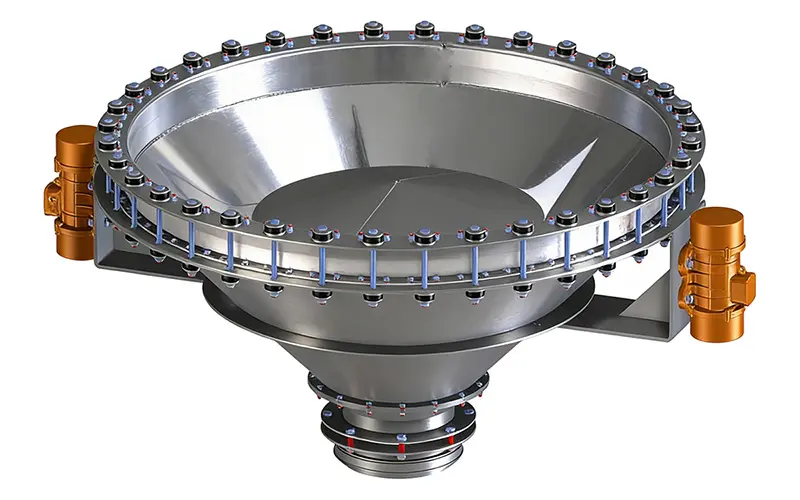
A bin activator is a critical bulk material handling device designed to solve material bridging, rat-holing, and discharge blockages in hoppers, silos, and bins—common pain points in food processing, mining, chemical, and building materials industries. As a compact and efficient discharge assistant, it works by combining mechanical vibration and structural design to keep bulk materials flowing smoothly and realize controlled, quantitative discharge. Below we break down its core components, basic working principle, and operational characteristics of specialized types like food-grade bin activators, with clear, easy-to-understand explanations for industrial users and equipment selectors.
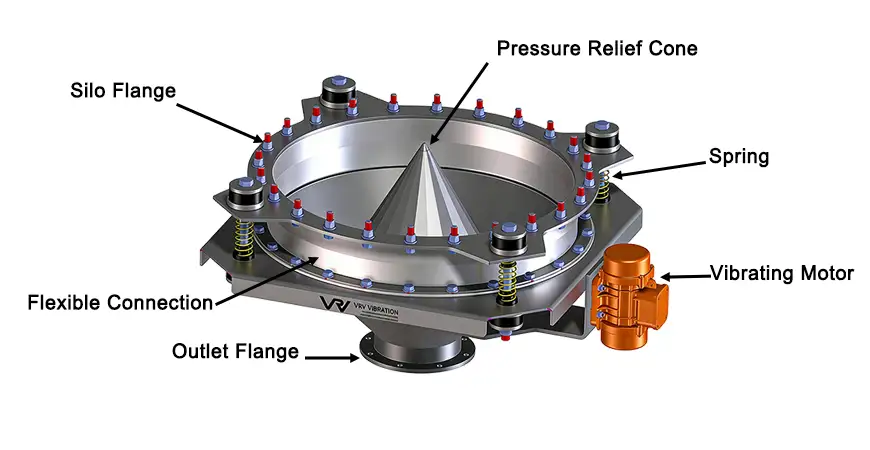
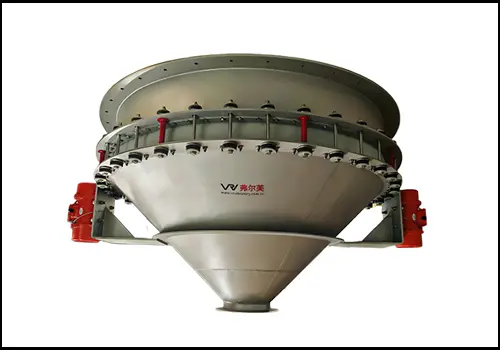
Before understanding how a bin activator works, it’s essential to know its key structural parts, which work together to drive material discharge. A standard industrial bin activator, including 316L stainless steel food-grade bin activators, consists of four core components:
‣ Vibration Drive Unit: The "power source" of the bin activator, usually an electric vibrator, which generates stable, adjustable vibration frequency and amplitude.
‣ Discharge Cone/Base: A conical or tapered structural part connected to the vibration drive, mounted at the bottom of the hopper/bin. Its inclined surface reduces material friction and guides material flow.
‣ Flange Connection: Secures the bin activator to the hopper/silo outlet, ensuring a tight seal (especially critical for food-grade applications to prevent material contamination and leakage).
‣ Adjustment System: Includes amplitude regulators and speed control
knobs, allowing operators to adjust vibration intensity according to material
properties (e.g., powder, granules, bulk solids) and discharge requirements.
For food-grade bin activators, the discharge cone and contact parts are made of 316L stainless steel (compliant with EC 1935/2004 standards), with a seamless, easy-to-clean design—adapting the core structure to hygienic processing needs while retaining the basic operational mechanism.
At its core, a bin activator works by transmitting controlled
vibration to the bulk material at the hopper outlet, breaking up material
cohesion and structural bridges, and promoting continuous, uniform discharge.
The whole working process is a simple, efficient mechanical cycle with three
key steps:
‣ Vibration Generation: When the bin activator is powered on, the
vibration drive unit starts operating, producing high-frequency, low-amplitude
(or adjustable) vibration. This vibration is directly transmitted to the
discharge cone and the material layer in contact with it.
‣ Material Loosening: The vibration energy breaks the intermolecular cohesion of the bulk material and disrupts the "bridging" or "rat-holing" structure formed by material gravity and friction at the hopper outlet. The material, originally compacted, becomes loose and loses its stable accumulation state.
‣ Guided Discharge: The loose material slides down the inclined
surface of the discharge cone under the combined action of vibration force,
gravity, and the cone’s structural guidance. It is then
discharged from the outlet at a steady rate, completing the material transfer
from the hopper to the downstream conveying system (e.g., vibrating feeders,
conveyor belts).
Unlike traditional discharge devices that rely solely on gravity, the bin activator’s vibration force eliminates passive material accumulation—ensuring discharge even for sticky, hygroscopic, or easily compacted materials (e.g., food powder, chemical granules, mining bulk solids).
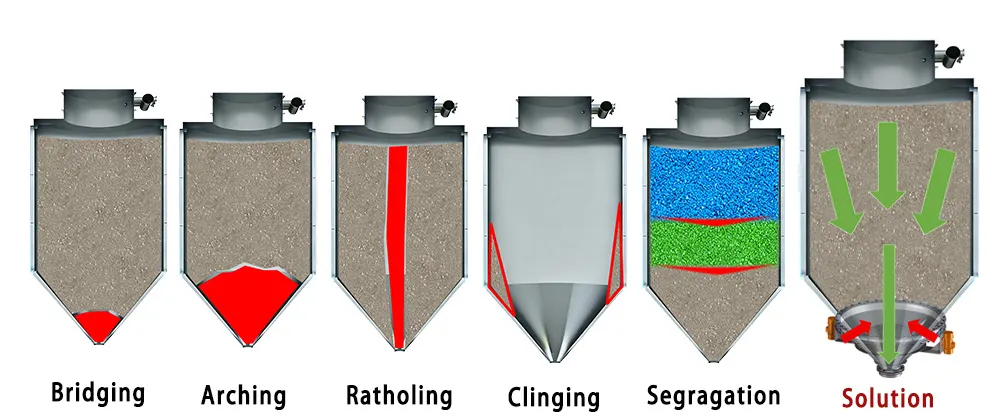
While the basic working principle is universal, vibrating bin activators for different industries are optimized in vibration parameters and structural design to match specific material and application needs—their operational logic remains consistent, with only adaptive adjustments to key working details:
Food-Grade Stainless Steel Bin Activator: Designed for food
processing (flour, sugar, milk powder, snack granules), it uses low-frequency,
gentle vibration to avoid material splashing and dust generation (meeting food
hygiene and dust control requirements). Its 316L stainless steel discharge cone
has a smooth, polished surface, so vibration-driven material flow leaves no
residue, and the sealed connection prevents cross-contamination during
discharge.
Industrial Heavy-Duty Bin Activator: Used in mining, cement, and
chemical industries (for gravel, cement clinker, industrial pellets), it
features a high-power vibration drive and thickened steel structural parts. It
generates higher-amplitude vibration to break up hard, compacted material
bridges, and its robust design withstands the abrasion of heavy bulk materials
during long-term operation.
Both types retain the core "vibration loosening + gravity discharge" mechanism—the difference lies in vibration intensity, material selection, and structural sealing, all tailored to industry-specific operational demands.
A bin activator’s reliable performance in
practical applications is not just about its basic working principle, but also
its optimized operational features that complement the core mechanism—these features directly boost discharge efficiency and adaptability:
‣ Adjustable Vibration Parameters: Operators can fine-tune vibration
frequency and amplitude based on material particle size, moisture content, and
desired discharge rate, ensuring optimal flow for different bulk materials (no
over-discharge or under-discharge).
‣ Low Energy Consumption & Compact Design: The vibration drive
unit is energy-efficient, and the bin activator’s small
footprint makes it easy to install at the bottom of existing hoppers/silos
without major structural modifications to the material handling system.
‣ Smooth Discharge with No Blockage: Continuous vibration eliminates
material stagnation at the outlet, reducing downtime for manual cleaning and
unblocking—critical for continuous production lines in
food and industrial plants.
‣ Low Noise & Stable Operation: Modern bin activators use shock-absorbing design in the vibration drive unit, minimizing operational noise and mechanical wear, which extends the equipment’s service life and improves workshop working conditions.
In short, a bin activator’s working principle is rooted in controllable mechanical vibration to break material cohesion and guide gravity discharge—a simple yet highly effective solution to bulk material discharge blockages in hoppers and silos. Whether it’s a 316L stainless steel food-grade bin activator for hygienic food processing or a heavy-duty industrial bin activator for mining and cement production, all retain this core working logic, with adaptive optimizations for industry-specific material, hygiene, and durability requirements.
As a key component in bulk material handling systems, the bin
activator’s reliable operation directly improves the
efficiency of the entire production line—eliminating
costly downtime from material blockages and ensuring continuous, quantitative
material flow. If you’re selecting a bin activator for
your hopper/silo, it’s critical to match the device’s type, vibration parameters, and material with your specific bulk
material properties and industry application needs. For custom bin activator
solutions (including food-grade and industrial models), contact our
professional team for tailored recommendations and technical support.
call us :
008617855911791 e-mail : sales@vrvibratory.com


 ipv6 network supported